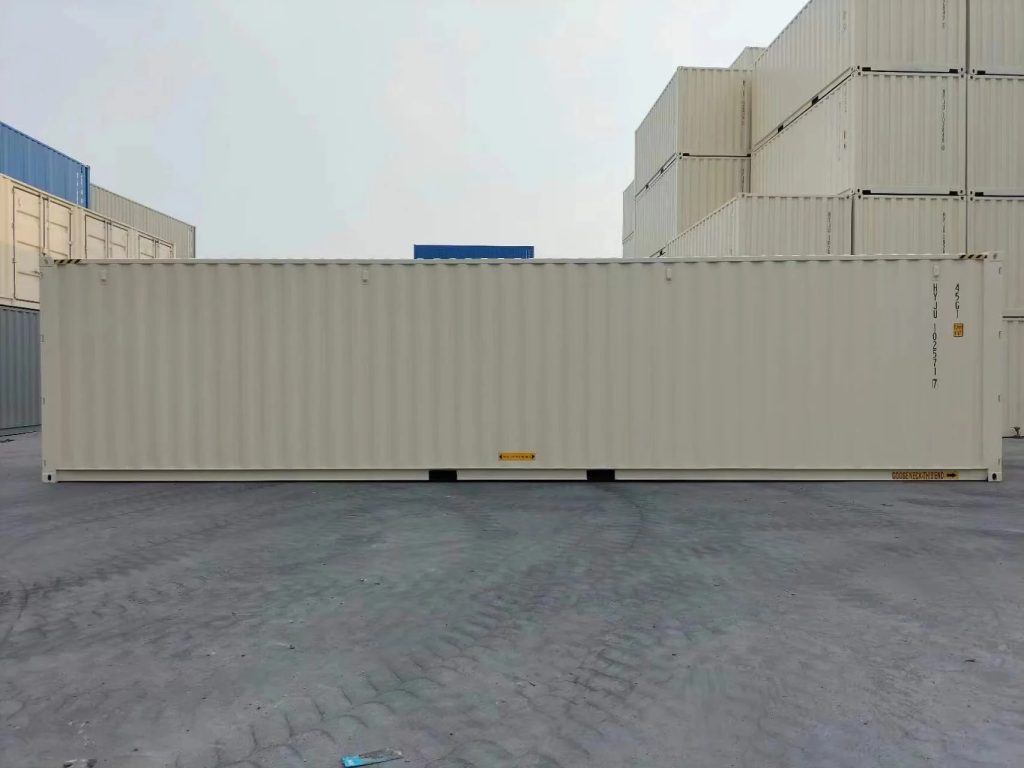
Understanding 20ft Shipping Containers: A Comprehensive Guide
On the planet of shipping and logistics, containers have become essential for transporting goods throughout the world. Amongst the various sizes readily available, the 20ft container sticks out as one of the most popular choices. 20ft Open Top Shipping Containers explores the characteristics, utilizes, benefits, and often asked concerns connected to 20ft containers.
Table of Contents
- What is a 20ft Container?
- Specs and Dimensions
- Types of 20ft Containers
- Common Uses for 20ft Containers
- Benefits of Using 20ft Containers
- Frequently asked question Section
- Conclusion
What is a 20ft Container?
A 20ft container, also called a twenty-foot equivalent system (TEU), is a standard shipping container created for intermodal freight transportation. It is mainly constructed from long lasting steel and is developed to withstand harsh conditions during transit. The standardization of container sizes, including the 20ft version, has permitted more efficient shipping logistics and has actually changed global trade.
Specifications and Dimensions
Understanding the specs of a 20ft container is crucial for businesses planning to utilize them. Below is a table summing up the basic dimensions and specifications of a 20ft container.
| Spec | Metric | Imperial |
|---|---|---|
| External Length | 6.058 m | 20 ft |
| External Width | 2.438 m | 8 ft |
| External Height | 2.591 m | 8 ft 6 in |
| Internal Length | 5.898 m | 19 ft 4 in |
| Internal Width | 2.352 m | 7 ft 9 in |
| Internal Height | 2.385 m | 7 ft 10 in |
| Maximum Gross Weight | 24,000 kg | 52,910 lbs |
| Tare Weight | 2,300 kg | 5,071 lbs |
| Payload Capacity | 21,700 kg | 47,858 pounds |
Types of 20ft Containers
20ft containers been available in different types, each designed for specific functions. Here's a short overview of the most typical types:
- Standard Dry Container: The most typically utilized type, ideal for non-perishable products.
- Reefer Container: A cooled container suitable for transferring temperature-sensitive items.
- Open Top Container: Features a removable roofing for easy loading of extra-large cargo.
- Flat Rack Container: Allows for the transport of heavy and large items that can not fit inside basic containers.
- High Cube Container: Taller than the standard container, supplying additional storage space.
Typical Uses for 20ft Containers
The versatility of 20ft containers allows them to serve numerous industries and functions. Here are some typical usages:
- Shipping Goods: Ideal for international shipping of product.
- Storage: Suitable for both short-lived and long-term storage services, offering security and protection.
- Modular Housing: Used in the building of shipping container homes and workplaces.
- Mobile Workspaces: Repurposed into onsite workplaces or workshops for building and maintenance jobs.
- Event Spaces: Converted into pop-up shops or exhibit areas for events and celebrations.
Advantages of Using 20ft Containers
The usage of 20ft containers features a number of advantages:
- Cost-Effective: They frequently offer a more cost-effective service for shipping, especially for smaller sized loads.
- Standardization: Their consistent size facilitates easy stacking and storage, enhancing space and logistics.
- Durability: Built to stand up to extreme weather conditions, they offer a safe and secure and robust choice for transferring goods.
- Versatile Applications: Beyond shipping, they can be repurposed for numerous usages, including residential and commercial.
- Eco-Friendly: Using shipping containers promotes recycling and reduces waste in garbage dumps.
Frequently asked question Section
1. Just how much weight can a 20ft container hold?
A basic 20ft container can hold an optimum gross weight of roughly 24,000 kg (52,910 pounds), with a payload capacity of around 21,700 kg (47,858 lbs).
2. Can I buy a used 20ft container?
Yes, numerous suppliers and shipping business offer used containers at a reduced price. Nevertheless, it's necessary to inspect the container's condition and structural integrity before acquiring.
3. How can I transfer a 20ft container?
20ft containers can be transported by means of truck, train, or ship, depending on the destination and logistical requirements.
4. What is the expense to deliver a 20ft container?
Shipping expenses differ significantly based upon range, the shipping line, and logistical considerations. It is a good idea to get quotes from multiple freight forwarders.
5. Are 20ft containers wind and waterproof?
Yes, standard 20ft shipping containers are designed to be water resistant and windproof, supplying a safe environment for transferred products.
In summary, 20ft containers have transcended their original purpose of cargo transport and have actually become a diverse tool in various markets. From shipping products across oceans to supplying ingenious options in building and temporary storage, their practicality and resilience mark their significance in the global landscape. Understanding 20ft Container Size , benefits, and applications of 20ft containers empowers businesses and individuals to make educated choices in logistics and beyond.